NAIROBI,—Three self-governing regions in Somalia with close political and economic ties to the United Arab Emirates said they will not follow a decision by Somalia’s federal government to end relations with the Gulf state, a key partner for years in security and development.
The Somali government announced on Monday that it had canceled all agreements with the UAE, including security cooperation, and accused the country of interfering with Somalia’s sovereignty.
The decision covers military training, financial support, and port investments that have played a role in Somalia’s security structure and trade operations.
Officials in Mogadishu did not provide detailed reasons for the move. The government is examining claims that the UAE helped transport a separatist leader from Yemen through Somalia.
In a separate development, the UAE has been associated with Israel’s recognition of Somaliland last month as an independent state, despite Somalia’s objections.
The UAE has maintained a strong presence in the Horn of Africa and the Red Sea corridor, where competition among wealthy Gulf nations for political and economic influence has intensified.
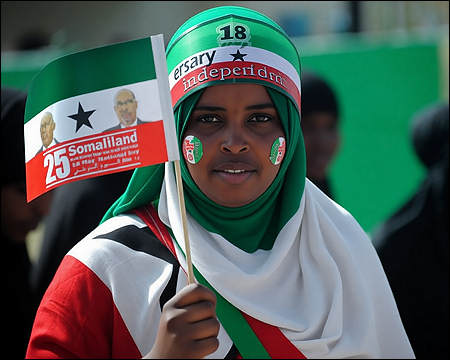
Somaliland, Puntland, and Jubbaland rejected Mogadishu’s decision and said their cooperation with the UAE would continue.
Khadar Hussein Abdi, Minister of the Presidency of the Republic of Somaliland, said the federal government’s move would not change realities on the ground.
He added that relations with the UAE remain firm despite statements from Mogadishu.
The Jubbaland administration described the decision as invalid and said existing security and development agreements with the UAE remain in effect.
Puntland officials said the announcement would not affect ties with the UAE, including operations in the coastal city of Bosaso.
A subsidiary of Dubai-based DP World holds a 30-year contract to manage Bosaso port, which remains central to Puntland’s economy.
Somalia’s federal government has historically exercised limited authority across the country, while regional administrations maintain broad autonomy.
The country continues to face threats from Islamist militants, despite support from international partners, African peacekeeping forces, and U.S. air operations.
The UAE trained hundreds of Somali troops between 2014 and 2018. It continues to pay salaries and provide logistical support for about 3,400 Somali military police and special forces in and around Mogadishu, senior Somali officials told Reuters.
The UAE has also worked directly with regional governments, investing hundreds of millions of dollars in ports and military facilities along major global shipping routes.
Two Somali officials, speaking anonymously due to the sensitivity of the issue, told Reuters that Somalia could seek support from Qatar or Saudi Arabia if UAE military assistance ends.
(With files from Reuters)
Copyright © 2026 Dubai Diplomacy. All rights reserved.
 Your support matters! Consider buying us a coffee — every bit helps keep independent news alive.
Related posts:
 Dubai’s DP World says Somaliland’s Berbera port runs normally
 In the Saudi Arabia–UAE Rivalry, the Saudis Are Wrong
 Emirati official calls for closer Israel ties, criticizes Arab states
 Saudi Arabia says UAE helped Yemen separatist leader to flee
 UAE to run half of government on autonomous AI within two years
 Saudi-UAE rift widens as Emirates quits oil cartel
 UAE welcomes US decision on Muslim brotherhood terror designation
 Gulf states press Trump to continue war until Iran is fully weakened