DUBAI,— Laia Fernández continues her work as a crypto marketing executive from her high-rise apartment in Dubai’s downtown business district, despite occasional sounds of projectile interceptions reminding residents of the ongoing U.S.-Israeli military action against Iran.
The conflict, now in its third week, has caused widespread disruptions to energy markets and transportation across the Middle East.
Yet the blockchain and cryptocurrency sector, largely virtual and cloud-based, has shown resilience, continuing normal operations even amid the turmoil.
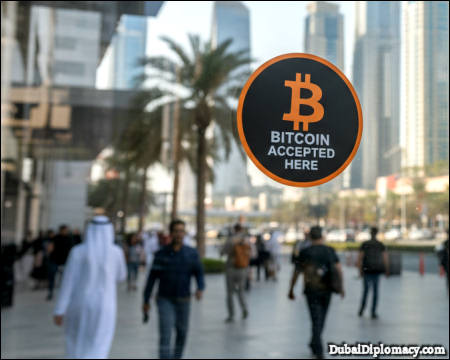
“Daily life hasn’t changed much,” Fernández said, referring to the United Arab Emirates, which has positioned itself as a hub for crypto in recent years with strong government support and investment.
She added that her clients and other crypto companies operating out of the UAE conduct business globally through cloud infrastructure and virtual trading platforms.
Many staff members work from home or travel abroad temporarily, minimizing disruption.
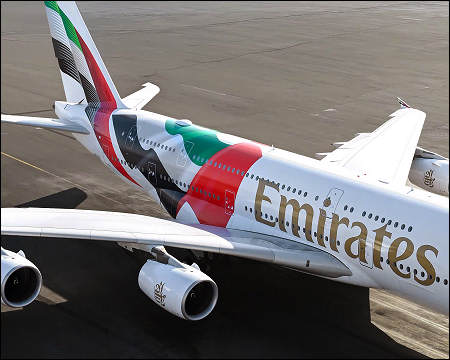
Dubai has faced multiple attacks in recent weeks, including an assault on its airport on Monday, which challenged its reputation as a safe destination for tourism and business.
Despite this, cryptocurrency transactions have remained more fluid than traditional oil or gas markets.
Alex Scott, a Dubai-based crypto executive promoting the Solana blockchain, said the conflict has sparked discussions on the resilience of financial infrastructure.
Scott told Reuters that the core factors that make the UAE appealing for crypto and blockchain remain unchanged, and he expressed confidence in the sector’s long-term prospects.
Bitcoin has experienced modest gains since the U.S. and Israeli strikes began on February 28, reaching $73,949 on Tuesday, although it remains down about 15% for the year.
Analysts say Bitcoin (BTC) stands out as the only fully decentralized and independent digital currency with both ideological and fundamental significance.
BTC often referred to as “digital gold,” it is widely regarded as a store of value that operates outside the control of any company or government. Bitcoin is viewed as an unconfiscatable currency, maintaining its role as a digital asset beyond traditional oversight.
By comparison, many other cryptocurrencies, known as altcoins, face skepticism from experts. These tokens are frequently criticized for their centralized structures and perceived lack of intrinsic value, with some being labeled as high-risk or potentially fraudulent.
Thomas Puech, CEO of crypto trading firm INDIGO, reported no signs of investors fleeing the UAE.
The UAE has embraced cryptocurrencies in several ways, including central bank-approved dirham-backed stablecoins, blockchain-based trading services offered by local banks, and on-chain payments for real estate projects, including a Trump Tower under construction in Dubai.
Abu Dhabi-backed investor MGX acquired a $2 billion stake in Binance last year, while another government-linked entity invested $500 million for a partial stake in World Liberty Financial, co-founded by U.S. President Donald Trump, his sons, and other business partners.
A spokesperson for World Liberty told Reuters that Trump had no role in the deal and rejected any suggestion of government favoritism.
In February 2026 Democratic Senators Elizabeth Warren and Andy Kim urged Treasury Secretary Scott Bessent to investigate whether a $500 million investment by the UAE in the Trump family’s cryptocurrency firm might create national security concerns, U.S. officials told Reuters.
Karl Naim, an Abu Dhabi-based executive at crypto investment firm XBTO, told Reuters that the most immediate effect of the conflict in the UAE was heightened caution. Travel delays, postponed meetings, and contingency planning have become priorities.
Naim’s team, already familiar with hybrid work, operates remotely rather than at their ADGM office, close to a targeted military port. “Our safety isn’t the issue,” he said, “what worries us is that the situation could remain unsettled for some time.”
Regional events have been affected. TOKEN2049, a major crypto conference in Dubai, was postponed, and the security situation remains fluid. Citigroup said Monday it would keep most UAE offices closed until further notice.
Similarly, Standard Chartered and the London Stock Exchange Group have directed Dubai staff to work from home.
Gordon Einstein, founder of CryptoLaw Partners, said UAE regulatory functions continue without interruption, keeping Dubai attractive for crypto compared with Europe or Asia. While some transient expat investors and entrepreneurs have temporarily left, many can still operate abroad.
How quickly they return, and the strength of the UAE’s crypto ecosystem, will depend on the duration of the conflict.
“Dubai lives off the idea that people want to come here,” Einstein said, noting that the city’s role as a hub for business and crypto depends on stability.
(With files from Reuters)
Copyright © 2026 Dubai Diplomacy. All rights reserved.
 Your support matters! Consider buying us a coffee — every bit helps keep independent news alive.
Related posts:
 Senate Democrats seek review of UAE $500 million investment in Trump crypto firm
 Abu Dhabi’s Lunate appoints Mohammed Hassan Alsuwaidi as executive chairman
 UAE oil company eyes rapid overseas growth
 UAE central bank approves dirham-backed stablecoin ‘DDSC’ on ADI chain
 Abu Dhabi’s sovereign fund takes over ADQ in major wealth reshuffle
 Some wealthy Asians move assets from Dubai amid Iran war fears
 Microsoft to invest $15 bln in UAE, gets US OK for Nvidia chip exports
 Dubai ruler issues law on building quality and safety, UAE