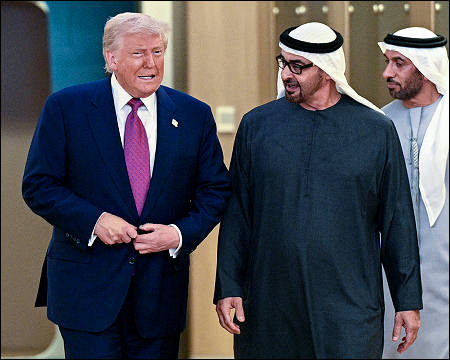
Gulf states tell Trump ending Iran war is not enough
DUBAI,— Gulf Arab states are pressing the United States to ensure that any agreement with Tehran goes beyond ending the conflict and imposes lasting limits on Iran’s missile and drone programs, while also safeguarding global energy flows from future disruption, four Gulf sources said, Reuters reported.
U.S. President Donald Trump has extended a deadline for Iran to reopen the Strait of Hormuz, a critical waterway that carries about 20% of the world’s oil and liquefied natural gas.
He warned that failure to comply could lead to the destruction of Iran’s energy infrastructure.
Gulf policymakers are now focused less on how the war will conclude and more on what regional order will emerge afterward, the sources familiar with discussions told Reuters.
Officials from Gulf countries, which have faced repeated attacks from Tehran during the U.S.-Israeli conflict with Iran, told U.S. counterparts in private meetings that Iran has left them without a diplomatic exit, the sources said.
They are calling for enforceable measures that restrict missile and drone strikes on energy facilities and civilian targets, prevent threats to oil shipping routes, and limit the use of proxy forces.
The sources said any agreement must include guarantees that the Strait of Hormuz will not be used again as leverage in conflict.
Ebtessam Al-Kerbi, president of the Emirates Policy Centre, said the main issue is not only stopping the war but ensuring that the conditions that allowed it do not return.
“The real challenge is not persuading Iran to stop the war, but ensuring the Gulf is not left exposed to the same dynamics that made it possible in the first place,” she told Reuters.
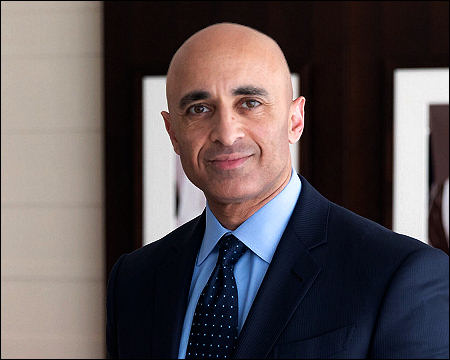
Yousef al-Otaiba, the United Arab Emirates ambassador to the United States, wrote in the Wall Street Journal that the war should be seen as a test of whether Iran can continue to threaten the global economy after hostilities end.
“A simple ceasefire isn’t enough,” he wrote. “We need a conclusive outcome that addresses Iran’s full range of threats.”
He said those threats include nuclear activity, missile and drone capabilities, proxy groups and disruptions to international shipping routes. Any deal that only delays these risks would postpone another crisis, he added.
The war has affected Gulf economies that depend heavily on energy exports and travel. Disruptions in the Strait of Hormuz have pushed up energy prices, strained supply chains and increased inflation worldwide.
U.S. intelligence assessments indicate that about one third of Iran’s missile arsenal has been destroyed, according to five people familiar with the findings.
Gulf officials say their concerns are based on past experience. Under a 2015 nuclear agreement, Iran’s enrichment activities were limited, but it retained capabilities in missiles, drones and proxy operations, as well as the ability to threaten maritime security.
In 2018, Trump withdrew the United States from that deal, calling it flawed and not in U.S. interests.
Sources said Qatar, Oman and Kuwait are urging a quick end to the conflict behind closed doors, concerned about economic consequences and possible retaliation.
In contrast, the United Arab Emirates, Saudi Arabia and Bahrain have signaled they are prepared to handle further escalation and will not accept a post-war situation in which Iran can still use the Strait of Hormuz as leverage.
Trump has extended his deadline for reopening the strait until April 7 and said negotiations with Iran are progressing positively.
An Iranian official described a U.S. proposal to end the war as one-sided and unfair. Tehran has demanded that U.S. military bases in the Gulf be closed as part of any settlement.
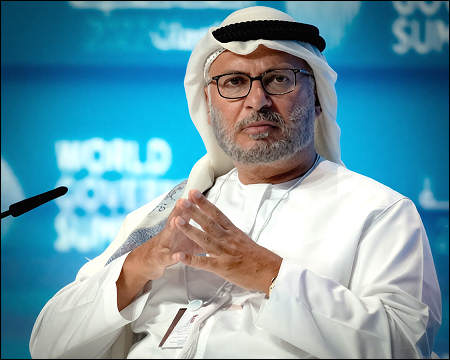
Anwar Gargash, a diplomatic adviser to the UAE president, said Iran’s strikes on Gulf states have had significant geopolitical effects and strengthened views of Tehran as a central threat in the region.
He said the outcome would likely be closer security cooperation between the UAE and Washington.
Abdulaziz Sager, chairman of the Gulf Research Center, said Gulf states are clearly telling Washington that any deal must directly ensure their security.
“The United States protects its interests, and Israel’s. Now it is our turn,” he said.
The Gulf Cooperation Council has also presented a unified stance, emphasizing that no agreement should overlook Gulf security concerns.
Secretary-General Jasem Al-Budaiwi said Iran has crossed limits, citing thousands of missile and drone attacks on infrastructure and shipping.
He said Gulf states have shown restraint but will not accept future attacks and maintain the right to defend themselves.
Trump is considering deploying ground forces to seize Iran’s Kharg Island oil hub, which handles most of the country’s exports, according to U.S. officials and sources.
Iran has warned it would respond by targeting critical infrastructure of any country assisting such an operation.
Some Gulf allies have cautioned against deploying troops, warning it could widen the conflict and provoke further retaliation, including attacks on Gulf infrastructure.
At the same time, they support continued U.S. efforts to weaken Iran’s missile capabilities, which they see as a primary threat.
(With files from Reuters)
Copyright © 2026 Dubai Diplomacy. All rights reserved.
 Your support matters! Consider buying us a coffee — every bit helps keep independent news alive.
Related posts:
 Gulf states press Trump to continue war until Iran is fully weakened
 The Strait of Hormuz will be closed as soon as the U.S. navy leaves
 Iran says Strait of Hormuz is fully open during ceasefire
 UAE urges guaranteed access to Strait of Hormuz in US-Iran deal
 Is a Gulf NATO Really Possible?
 UAE rejects Bloomberg report on its defensive capabilities
 Saudi-UAE rift widens as Emirates quits oil cartel
 Senate Democrats seek review of UAE $500 million investment in Trump crypto firm