ABU DHABI,— The United Arab Emirates attorney general has ordered the arrest of 25 more people accused of sharing misleading videos online that authorities say harmed national defense efforts during Iranian attacks on the country.
Attorney-General Hamad Saif Al Shamsi directed prosecutors to detain the suspects and move them to a fast track trial.
Officials said the individuals, who hold different nationalities, published digital content that authorities described as misleading and damaging to national defense measures.
The material also praised acts of military aggression against the UAE.
State news agency WAM reported that authorities had intensified monitoring of online platforms in recent days to stop the spread of fabricated information and manipulated content that could provoke public unrest or threaten stability.
Investigators reviewing online activity said the defendants were divided into three separate groups that carried out different types of actions.
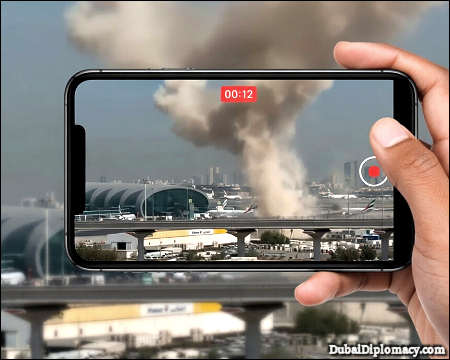
The first group circulated genuine video clips connected to the ongoing situation in the UAE. These recordings showed missile movements across the country’s airspace and interception attempts by defense systems, as well as the effects of missile strikes.
Authorities said some individuals also filmed gatherings of people watching the events and added commentary and sound effects that suggested ongoing attacks. Prosecutors said such material could create public fear and panic.
Officials also said the footage risked revealing details about defensive capabilities and could be used by hostile online accounts to spread misleading narratives.
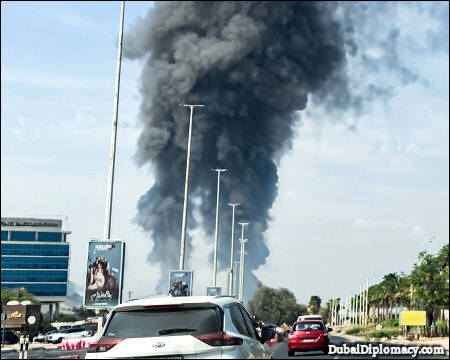
The second group allegedly published fabricated visual material created with artificial intelligence tools. Some clips showed scenes of missile launches and explosions that did not occur inside the UAE, investigators said.
Authorities said other videos reused footage from incidents in other countries but were falsely presented as events taking place within the UAE.
Some of these clips included national flags or specific dates to make the claims appear credible and mislead viewers.
The third group shared content that authorities described as praising a hostile state and its political and military leadership. Prosecutors said these posts portrayed that country’s regional military operations as achievements.
Officials said the content included praise for leaders of the state and the recirculation of propaganda material that supported hostile media narratives and harmed the UAE’s national interests.
The Public Prosecution said investigations into the suspects are ongoing. Authorities ordered the defendants to remain in preventive detention while the inquiry continues.
Al Shamsi said the actions represented serious violations of the law and required the application of criminal penalties. He said the activities misled public opinion and could encourage social unrest.
He also said using online platforms to spread misleading information or videos that threaten public security or reveal information about national defense systems is considered a criminal offense under UAE law.
The UAE has long faced strong criticism from international human rights organizations over strict laws limiting freedom of expression and digital activity.
Amnesty International, the London based human rights organization, said the UAE “has continued to criminalize freedom of expression through various laws and punish real or suspected government critics.”
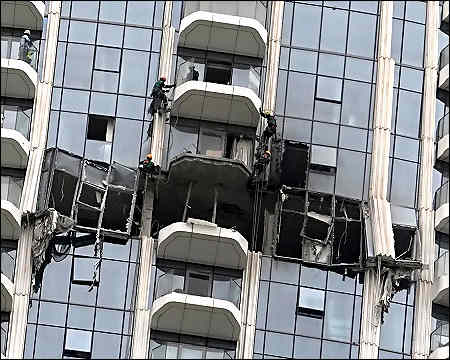
On March 14, 2026, a 60 year old British tourist faced criminal charges in Dubai after authorities found video footage of Iranian missile strikes on his mobile phone, legal advocates said this week. The BBC reported the case.
Experts say the country’s international reputation has been increasingly damaged by cases in which foreigners and tourists face long term prison sentences and extremely large financial penalties under strict digital and cybercrime laws.
Critics say these laws apply to activities such as filming public events, sharing videos online, using VPN or TOR networks, or communicating through messaging applications including Messenger and WhatsApp.
According to legal experts, several cases have shown that visitors can face years in prison along with heavy fines for digital activities that would be considered normal in many other countries.
Human rights advocates say such policies raise serious concerns about the protection of fundamental freedoms.
Analysts also note that in the modern digital era information cannot easily be hidden.
Even highly controlled states such as North Korea continue to see video reports emerge despite strict restrictions and government efforts to block information.
(With files from Agencies)
Copyright © 2026 Dubai Diplomacy. All rights reserved.
 Your support matters! Consider buying us a coffee — every bit helps keep independent news alive.
Related posts:
 UAE, Qatar arrest hundreds over Iran attack footage: NY Times
 UAE issues new federal law on child digital safety
 Iran hits luxury Dubai hotel in retaliatory strikes across Arab region
 UAE arrests “terrorist network” linked to Hezbollah, Iran
 Dubai charges British tourist over filming Iran missile strikes
 UAE holds 70 Brits for sharing drone strike videos, images
 UAE rejects Bloomberg report on its defensive capabilities
 Travelers to Dubai risk arrest over social media posts and debt: advocates