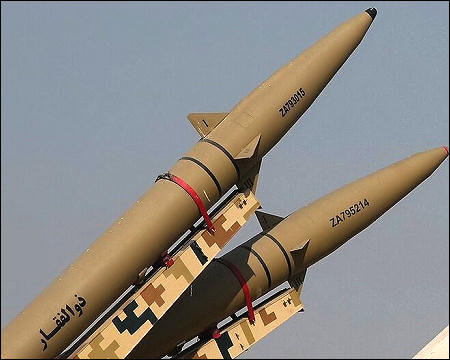
DUBAI,— Iran has told Gulf countries that any fresh U.S. strike on its soil would trigger retaliation against key energy sites across the region, five sources said.
Tehran appears to be raising the stakes for Washington by threatening the interests of its closest regional partners.
The message went out through high-level talks after U.S. President Donald Trump said on July 28 that he might hit Iran’s energy network and infrastructure, the sources said.
Two senior Iranian officials, two Gulf sources, and a senior regional diplomat familiar with the talks said Iranian Foreign Minister Abbas Araqchi held calls with his counterparts in Saudi Arabia, Turkey, and Qatar, along with Pakistan’s army chief. All spoke without being named because the matter is sensitive.
Araqchi asked Washington’s Gulf partners to press Trump not to launch new strikes, the senior diplomat said.
He warned that any assault on Iran would bring counterattacks on American assets and energy sites throughout the Gulf.
Araqchi repeated the same point in each call: Iran is ready to strike back, but diplomacy remains the best way to avoid broader escalation and damage across the region, the diplomat said.
A Gulf source said the Iranian message was clear: if the U.S. hit Iranian infrastructure, Iran would respond by hitting Gulf energy facilities and other regional targets.
The diplomacy shows how Iran is using the threat of wider regional damage as leverage against further American strikes.
This puts Gulf nations, which host U.S. bases and rely on energy exports, in a tough spot between Washington and Tehran.
Saudi Crown Prince Mohammed bin Salman later spoke with Trump, urging him to hold off on military action, return to talks, work toward a ceasefire, and pursue a diplomatic path, the senior diplomat and Gulf sources said.
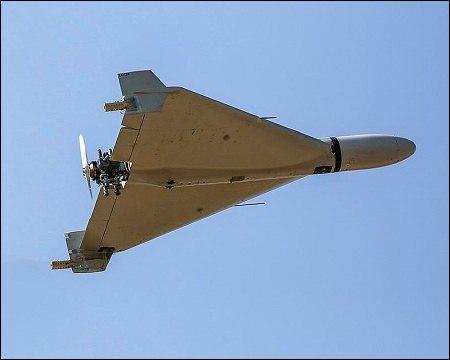
Another Gulf source said the warning was meant for all Gulf states but was passed mainly through Saudi Arabia and Qatar.
Iran has rebuilt ties with its Gulf neighbors in recent years, including Saudi Arabia, once its main rival.
Qatar, Oman, and Saudi Arabia have pushed Washington to restart talks with Iran and avoid new fighting, as Tehran warned another wave of strikes could set the region ablaze, the second Iranian official said.
On August 2, Trump said he agreed to call off the strike, on the condition he could quickly reach a deal.
Saudi Arabia believes more escalation would only cause more destruction, which is why it pushed Trump toward diplomacy, one Gulf source said. Still, Riyadh made clear it would respond militarily if attacked, a second Gulf source said.
Saudi analyst Ali Shihabi, who has ties to the Royal Court, said the kingdom doubts more escalation would achieve much.
He said Saudi Arabia favors measured military responses paired with pressure on Iran in the Strait of Hormuz as the best route to a workable deal.
Iran’s clerical leadership has repeatedly demanded the closure of U.S. bases in the Gulf and urged Gulf Arab states to stop sharing intelligence with Washington, which Tehran says has helped enable attacks against it.
An Iranian official said Tehran’s warning covered energy facilities, refineries, power grids, water systems, transport networks, and oil fields across the Gulf.
He said Iran would answer any damage with far greater damage of its own, pointing to the September 2019 attacks on Saudi Arabia’s Abqaiq and Khurais facilities, which briefly cut more than half the kingdom’s crude output.
By targeting infrastructure vital to Gulf economies, Iran is trying to convince Washington and Arab governments that a new attack would carry steep economic and strategic costs.
The senior Iranian official said Trump now faces two difficult choices: allow a conflict that could spread across the Gulf and disrupt world energy supplies, or accept a deal short of the clear win Washington wants.
A major hurdle, the senior diplomat said, is Washington’s reluctance to let Iran claim victory, since the U.S. wants proof it won.
Since Iran resumed strikes on Gulf countries in late June, it has notably avoided targeting the UAE, a decision some analysts tie to Abu Dhabi’s release of billions of dollars to Iran.
(With files from Reuters)
Copyright © 2026 Dubai Diplomacy. All rights reserved.
 Your support matters! Consider buying us a coffee — every bit helps keep independent news alive.
Related posts:
 Gulf states press Trump to continue war until Iran is fully weakened
 Saudi-UAE rift widens as Emirates quits oil cartel
 Is a Gulf NATO Really Possible?
 Gulf states say ending Iran war not enough, degrade its capabilities
 Iran builds covert Iraqi networks to strike UAE, Gulf states: Reuters
 UAE agrees to release $10 billion to Iran to halt attacks: report
 UAE failed to rally Gulf states for Iran strike, Bloomberg says
 Saudi Arabia issues security warning as UAE told to exit Yemen