ADNOC Steps Up as UAE Seeks to Maximize Oil Resources After OPEC Exit
DOHA,— Abu Dhabi’s state oil company is playing a much tougher game as war in Iran disrupts crude exports and the United Arab Emirates moves further away from OPEC.
Abu Dhabi National Oil Co. (ADNOC) has become more aggressive and flexible in recent months, according to traders and industry sources, Reuters reported.
It has started selling more spot cargoes through tenders, reaching new buyers, offering delivery terms it previously avoided and working with trading houses that were once outside its usual customer base.
The company has also created a shuttle system to move crude across the Strait of Hormuz, where shipping traffic has fallen sharply because of attacks and security concerns.
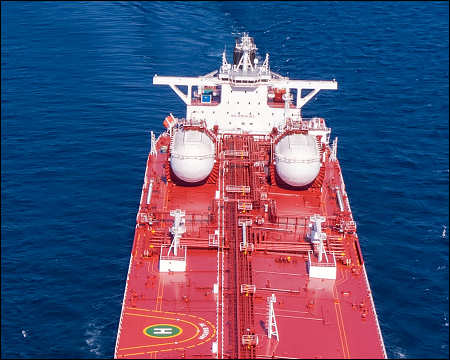
ADNOC is expanding its tanker fleet as it seeks to keep supplies moving.
If the changes continue after the war, they could reshape Gulf oil marketing and the flow of crude to Asia, the world’s biggest consuming region.
They could also increase pressure on rivals such as Saudi Aramco, Kuwait Petroleum Corp. and Iraq’s State Oil Marketing Organization, or SOMO.
“ADNOC feels totally liberated by leaving OPEC,” said Adi Imsirovic, a former oil trader and director at Surrey Clean Energy. He said the company now has greater freedom over production, pricing and sales.
The strategy appears to be gaining ground. The UAE’s share of Middle Eastern oil shipments to Asia rose to 32% in June and 27% in July, from about 20% last year, according to Kpler data.
OPEC exit drives output
The UAE’s decision to leave OPEC has given ADNOC more room to increase production. Under OPEC, the country’s production target had been around 3.5 million barrels a day.
The International Energy Agency expects UAE output to reach 5.2 million barrels a day by 2027.
ADNOC says its strategy remains focused on disciplined growth and long-term partnerships.
The scale of its new approach became clear in April, when it launched a shuttle system to move crude across the Strait of Hormuz for ship-to-ship transfers.
The system allows ADNOC to maintain spot sales despite the severe disruption to shipping traffic through the Strait of Hormuz.
The effort has carried significant risks. ADNOC said 15 of its vessels had come under attack while crossing the strait, killing one crew member and injuring 20 others. The company said it was working with authorities to protect workers, vessels and operations while continuing to meet customer demand.
Spot sales and bigger fleet
For decades, Gulf producers relied heavily on long-term contracts at official selling prices. Buyers generally handled shipping, while producers stayed out of much of the spot market.
The war has disrupted that model. Refiners have struggled to secure tankers, while charter rates have risen. At the same time, official crude prices in June and part of July moved above spot prices as a supply glut developed.
ADNOC responded by increasing spot sales and using its shuttle fleet to move cargoes to vessels near Fujairah in the UAE, Sohar in Oman, India’s west coast and Malaysia, traders said.
Since June, ADNOC has sold at least 94 million barrels for delivery through October in seven tenders, according to a Reuters count. Aramco, Kuwait Petroleum and SOMO have also increased spot sales.
To support the strategy, an ADNOC unit bought 11 ships for $1.3 billion, including six Very Large Crude Carriers, each capable of carrying about 2 million barrels.
More flexible terms
ADNOC has also loosened some of its sales terms, according to three sources familiar with the matter. The company has allowed private deals alongside tenders and offered more flexible delivery arrangements.
Previously, ADNOC mainly sold crude on a free-on-board basis. It is now willing to deliver at transfer points and other ports, traders said.
The company has also changed how it prices some crude. From Nov. 1, monthly pricing will be based on prompt-month Platts Dubai pricing rather than Murban crude futures, bringing prices closer to the month in which cargoes are loaded.
ADNOC has additionally sold crude to trading firms including Mercuria, Vitol and Cathay Petroleum, which do not have term contracts with the company.
That marks a shift from its traditional preference for selling directly to end-users.
ADNOC said interest in its crude grades had increased, particularly among refiners and buyers seeking prompt market pricing during a period of high volatility.
Its marketing team has also met refiners in Japan, Singapore and Azerbaijan to encourage participation in its tenders.
Shifting leverage
The changes could give Asian buyers more negotiating power. Three longtime Asian customers told Reuters they expect more flexible terms in 2027 contract negotiations, including the possibility of loading crude outside the Strait of Hormuz.
An executive at a major customer said buyers were reassessing traditional contract terms and could seek greater flexibility over lifting schedules and pricing.
For ADNOC, the changes represent more than a response to wartime disruption.
They show how the company is using greater production freedom, a larger tanker fleet and more flexible sales methods to compete more aggressively in the Asian oil market.
(With files from Reuters)
Copyright © 2026 Dubai Diplomacy. All rights reserved.
 Your support matters! Consider buying us a coffee — every bit helps keep independent news alive.
Related posts:
 Dubai oil benchmark under stress amid Iran war
 UAE secretly slips oil tankers through Strait of Hormuz: Reuters
 UAE’s ADNOC offers crude oil for delivery via tender: Reuters
 UAE exits OPEC in major blow to oil producers’ group
 Saudi-UAE rift widens as Emirates quits oil cartel
 UAE speeds up oil pipeline project to bypass Hormuz
 UAE breaks oil export record following its exit from OPEC: data
 UAE vows unrestricted oil output after OPEC exit: minister