DUBAI,— A Dubai-based chef is facing rising costs and supply delays as the ongoing conflict in Iran disrupts key trade routes and increases transport expenses across the Gulf region.
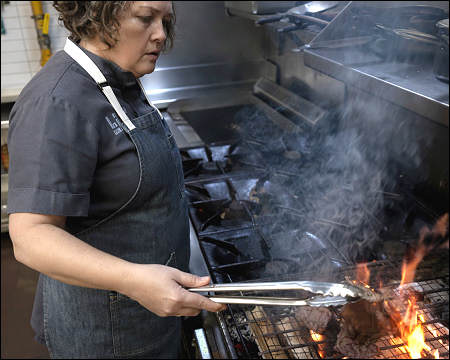
Shaw Lash, who runs the Mexican restaurant Lila Molino in Dubai, said she relies on imported ingredients such as avocados and tomatillos, which are essential for her menu.
These items, typically flown in from Central America, have become harder to obtain and more expensive over the past two months due to the war.
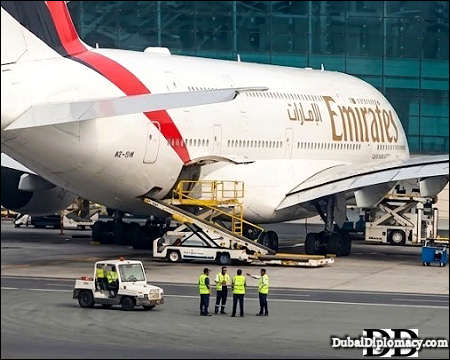
The closure of the Strait of Hormuz, a major shipping route, and higher jet fuel prices have significantly increased air freight costs, Lash told Reuters.
She said she has reduced production, cut staff, and is purchasing smaller quantities of ingredients as a temporary measure.
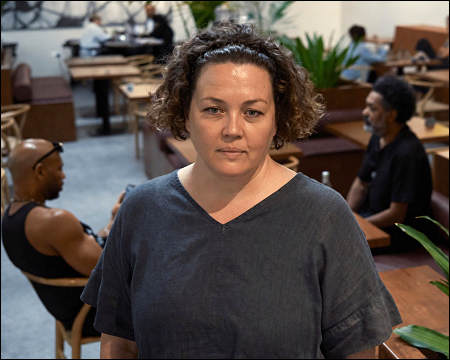
“The reality is cargo has gotten more expensive, gas prices have gone up, the Strait of Hormuz is still blocked,” Lash said from her restaurant in the Alserkal Avenue district. “This is causing significant issues for our supply chain.”
Restaurants across Dubai are adjusting operations. Some are simplifying menus or turning to locally available ingredients. Authorities have introduced support measures, including fee relief and campaigns to encourage dining out.
The situation poses risks for the UAE’s full-service restaurant sector, which was valued at $9.5 billion last year, according to Mordor Intelligence. Before the conflict, the firm had projected growth of 20% in 2025.
Military airstrikes by the United States and Israel on Iran in late February 2026 were followed by several weeks of Iranian missile and drone strikes on UAE and in the Gulf.
Although a ceasefire began on April 8, the Strait of Hormuz remains largely closed. The UAE depends on imports for more than 80% of its food supply.
The conflict has reduced tourist arrivals and affected retail and hospitality sectors.
A survey by Juniper Strategy and the Global Restaurant Investment Forum found that foodservice operators in the UAE reported a 27% drop in demand compared with the previous year.
Supplier costs increased by an average of 13%, based on responses from 30 industry leaders operating about 400 restaurants.
The report stated that locations dependent on tourism and business districts were under the most pressure, while residential areas showed more stability.
The Dubai Department of Economy and Tourism said some operators are dealing with a “period of disrupted footfall” and are adopting new approaches, including targeted promotions and community initiatives.
Chef Kelvin Cheung of Jun’s Dubai said sourcing perishable imports like Norwegian scallops and Japanese seafood has become more difficult. Air freight is often the only option, increasing costs by up to 35%, he said.
Air freight rates have risen by as much as 70% on some routes, driven by higher fuel costs and disrupted oil shipments. Cheung said tourism has declined, reducing spending across sectors.
He has introduced a six-course menu priced at 225 AED dirhams ($61) using locally sourced ingredients and has retained his staff. Other restaurants plan to offer discounted meals during Restaurant Week in May.
Food writer Courtney Brandt told Reuters the market was already saturated before the conflict and that rising costs are adding pressure.
She said international brands may be better positioned due to stronger financial backing.
Some restaurants, including venues in Atlantis hotels, have temporarily closed for renovations, while others have opened in recent weeks.
Both Lash and Cheung said they expect conditions to improve, noting signs of recovery following the ceasefire and the return of school activity in the city.
(With files from Reuters)
Copyright © 2026 Dubai Diplomacy. All rights reserved.
 Your support matters! Consider buying us a coffee — every bit helps keep independent news alive.