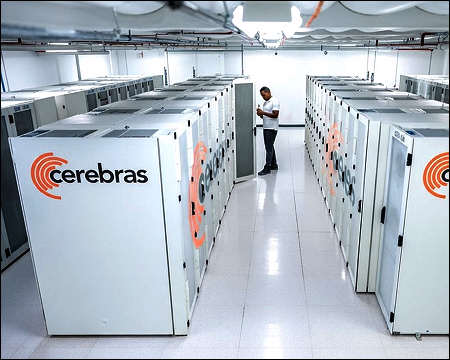
DUBAI,— The United Arab Emirates is revising plans for a 5-gigawatt AI data center project, one of the biggest outside the U.S., after the Iran war prompted a rethink of how critical infrastructure should be built, six people familiar with the matter told Reuters.
Initially planned as a 10-square-mile, 26-square-kilometer campus in Abu Dhabi, the project will become a network of data centers across the UAE, four sources said.
Authorities are considering air defenses and underground construction against drone and missile attacks. These changes have not been reported.
The UAE-US AI Campus, built with American technology companies, was announced during President Donald Trump’s visit to the Gulf state last year. It is central to the UAE’s ambition to become a global AI powerhouse as it shifts its economy from oil.
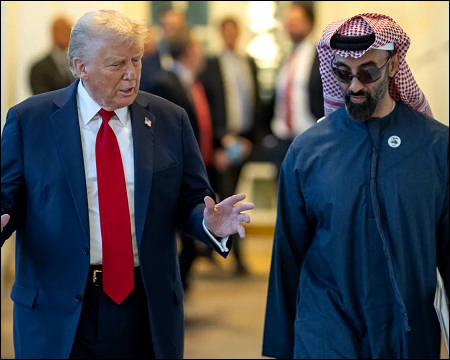
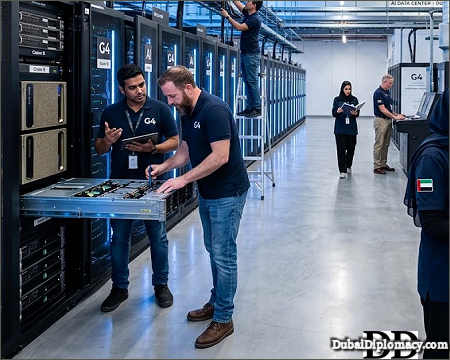
It is led by G42, an AI firm controlled by Sheikh Tahnoun bin Zayed al Nahyan, the UAE national security adviser and brother of its president.
In exchange for access to Nvidia AI chips and U.S. technology, the UAE agreed to cut AI ties with China and invest in Stargate’s American data centers.
Stargate is a joint venture between OpenAI, Oracle and SoftBank to build AI infrastructure.
Sources included a U.S. official, a Western diplomat and industry executives briefed on deliberations.
Reuters said it could not determine Emirati authorities’ progress toward a new masterplan or effects on costs and timelines.
The first phase, a $30 billion, 1-gigawatt compute cluster known as Stargate UAE, began construction last year.
The first 200 megawatts are due this year. When complete, it can connect every UAE government agency and commercial institution to the world’s most advanced AI models, according to Larry Ellison, Oracle chairman and chief technology officer, which is partnering with G42.
G42 said work on the AI campus was progressing as planned. “The project’s specifics are subject to continuous review in line with the security, resilience and standards expected of critical infrastructure at this scale,” it said.
OpenAI said it was working with the UAE on the AI vision and making “good progress on the infrastructure and adoption priorities needed to deliver it.”
The Emirati advanced technology ministry and American partners Nvidia, Oracle and Cisco did not respond. Japan’s SoftBank declined to comment.
Emirati officials began reviewing AI infrastructure plans soon after Tehran started firing missiles and drones at Gulf neighbors hosting American forces, in retaliation for U.S. and Israeli airstrikes against Iran, the sources told Reuters.

Two Amazon Web Services data centers in the UAE were damaged in March attacks, along with one in Bahrain. Its cloud services remain disrupted, according to its website.
In April, Iran’s armed forces issued a video warning that Stargate UAE was a target. The video showed a map purporting to locate the complex, with the caption, “Nothing stays hidden from our sight.”
Two people confirmed the location near Al Dhafra Air Base, not publicly known. The Abu Dhabi-area base hosts U.S. troops and was targeted in the war, which began in February.
Daniel Benaim, who served as U.S. deputy assistant secretary of state for Arabian Peninsula affairs under President Joe Biden, called the conflict an “economic earthquake” for Gulf states that had long marketed themselves as safe havens. Benaim, a fellow at the Middle East Institute, a Washington think tank, said hardening critical infrastructure is necessary.
Construction is expected to continue with modifications against aerial attacks, an industry executive and another person said.
The remainder will likely span multiple locations. Officials are considering placing facilities holding sensitive data, including military data, inside mountains.
Data centers in the United States, China and Europe have been built inside disused mines, Cold-war era bunkers or caves.
The UAE is mostly flat desert, but mountains run through the north and northeast in Ras Al Khaimah and Fujairah.
Three sources said the redesign includes drone and missile interceptors and electronic jamming. Another said measures include blast-resistant concrete and backup power and cooling systems.
(With files from Reuters)
Copyright © 2026 Dubai Diplomacy. All rights reserved.
 Your support matters! Consider buying us a coffee — every bit helps keep independent news alive.
Related posts:
 Saudi-UAE rift widens as Emirates quits oil cartel
 Gulf states say ending Iran war not enough, degrade its capabilities
 Gulf states press Trump to continue war until Iran is fully weakened
 Dubai ruler issues law on building quality and safety, UAE
 Abu Dhabi’s MGX considers buying DayOne data center
 Iran builds covert Iraqi networks to strike UAE, Gulf states: Reuters
 US, Iran sign initial agreement to end war, as nuclear talks continue
 Amazon’s UAE data center damaged in Iran drone attack