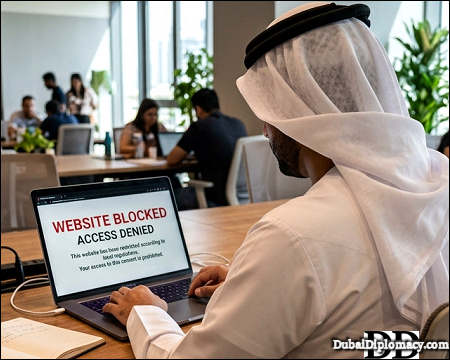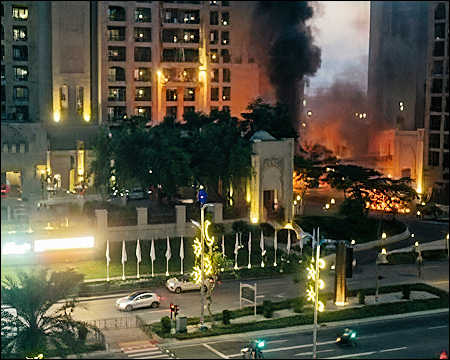
DUBAI,— Tourists, expats, and airline crew in the United Arab Emirates are at risk of imprisonment and heavy fines for photographing or receiving images of missile and drone attacks, campaigners warn.
Human rights groups also highlight restricted consular access and harsh detention conditions.
As many as 70 British citizens have been detained in the UAE for taking or sharing photos and videos of drone and missile strikes, The Daily Mail UK reported on Saturday.
Those affected include vacationers, expatriates, and cabin crew, with some reportedly held in overcrowded cells without adequate sleep, food, or medication. The arrests fall under laws designed to protect “national security and stability.”
Critics argue that Dubai and other emirates are using strict enforcement to preserve their image as secure and glamorous tourist destinations. Receiving such images, even without taking them, can carry punishments of up to ten years in prison or fines of £200,000.
The estimate of 70 detained Britons comes from two UK-based campaign groups collaborating with Emirati lawyers, according to the Mail on Sunday.
Campaigners say the high number of arrests has overwhelmed the legal system, leaving people in custody for months without formal charges.
Dubai Watch reports that some detainees have been released on bail but had passports confiscated, preventing travel.
For expatriates, lost passports and visa restrictions can also jeopardize employment, leaving them at risk of homelessness.
David Haigh, founder of Dubai Watch, said local lawyers believe at least 35 Britons have been detained in Dubai, with a similar number in Abu Dhabi.
Some detainees were reportedly forced to sign statements in Arabic, which they could not understand, and access to British consular officials has been limited or denied.
The Foreign Office is not automatically notified of all cases, and detainees were sometimes warned not to contact the British Embassy, fearing it could delay proceedings. Officials estimate only five Britons are receiving consular support at present.
Radha Stirling from the Detained In Dubai campaign said, “British citizens are being held in overcrowded conditions, denied medication, and pressured to sign confessions without lawyers. Diplomatic intervention is urgently needed. These are ordinary tourists, workers, and residents, not criminals.”
Those detained include a London-based FlyDubai flight attendant who shared a photo of damage after an Iranian drone crashed near Dubai airport on March 7. Authorities reportedly arrested him after inspecting his phone.
Other cases include a British lawyer in Dubai and a 60-year-old tourist detained along with 20 others after missile footage was discovered on their devices. The tourist faces up to two years in prison and fines of £40,000 despite deleting the video.
Some cases are handled under cyber-crime rules, while others are treated as national security issues. UAE law forbids taking or sharing images that may “disturb public security.”
Residents near Iranian strikes receive texts warning, “Photographing or sharing security or critical sites, or reposting unreliable information, may result in legal action and compromise national security and stability.”
Police reportedly check phones at attack sites, detaining anyone with relevant images, and individuals who receive content through apps like WhatsApp can also face arrest.
Haigh, who said he was tortured in a Dubai jail, described the city as a “corporation” focused on protecting its global image.
“Tourists and expats who take photos of missile intercepts or drone strikes are treated as enemies,” he said.
Before the attacks, more than 240,000 Britons lived in Dubai. Since Iranian missile and drone strikes began over the Strait of Hormuz, roughly half are believed to have returned to the UK.
The UAE embassy in London said citizens were warned against taking or sharing images from “incident sites,” noting that spreading such material could “incite public panic and create a false impression of the UAE’s actual situation.”
A Foreign Office spokesperson said, “We are supporting British nationals in the UAE who have been detained or arrested. We expect full consular access. The British Ambassador regularly engages with authorities on this matter.”
(With files from dailymail.co.uk, standard.co.uk)
Copyright © 2026 Dubai Diplomacy. All rights reserved.
 Your support matters! Consider buying us a coffee — every bit helps keep independent news alive.
Related posts:
 UAE, Qatar arrest hundreds over Iran attack footage: NY Times
 UAE arrests 25 foreigners for posting videos of Iran strikes: attorney-general
 Dubai Takes Your Money, Then Your Freedom: British family case
 Travelers to Dubai risk arrest over social media posts and debt: advocates
 Dubai charges British tourist over filming Iran missile strikes
 Is a Gulf NATO Really Possible?
 Dubai ruler issues law on building quality and safety, UAE
 Iran says it hit Ukraine anti-drone depot in UAE, Kyiv denies