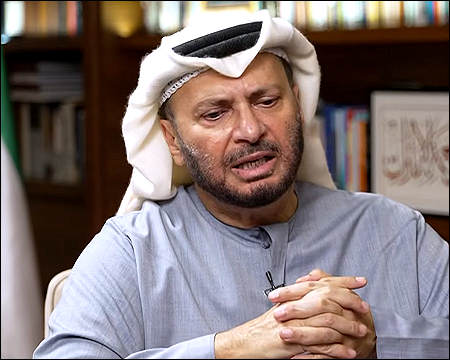
DUBAI,— UAE presidential adviser Anwar Gargash said any agreement to end the U.S.-Iran conflict must ensure free passage through the Strait of Hormuz and address Iran’s nuclear and military capabilities.
Speaking at a briefing over the weekend, Gargash described the Strait of Hormuz as the most important oil route in the world and said it must not be used as leverage in political disputes.
He said its security is essential for the global economy.
“The Strait of Hormuz cannot be held hostage by any country,” Gargash said. He added that freedom of navigation must be included in any settlement, with clear guarantees.
Gargash said the United Arab Emirates supports an end to the war but warned that a ceasefire alone would not be enough if core issues remain unresolved.
“We don’t want to see more escalation,” he said. “But we don’t want a ceasefire that fails to address the main issues that could create a more dangerous environment, including Iran’s nuclear programme and its missiles and drones.”
U.S. President Donald Trump said Tehran must reach a deal and reopen the Strait of Hormuz by Tuesday or face further action.
Writing on his Truth Social platform on Sunday, Trump threatened additional strikes on Iranian energy and transport infrastructure.
The United States and Israel have carried out missile and air strikes on Iran for more than five weeks. They say the attacks aim to stop what they describe as an immediate threat from Iran’s nuclear programme, missile systems and support for allied armed groups in the region.
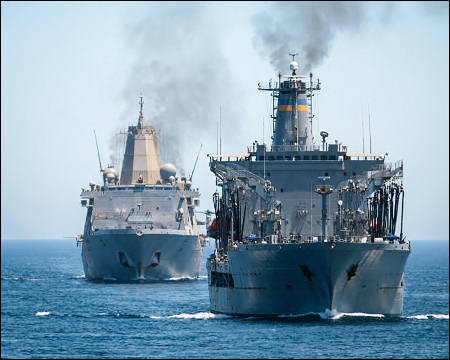
Gargash said the UAE is ready to take part in any U.S.-led international effort to protect shipping in the Strait of Hormuz.
Around one-fifth of global oil and liquefied natural gas supplies pass through the strait each day. Iranian actions have reduced traffic, contributing to a global energy crisis.
The conflict began on February 28, 2026 when U.S. and Israeli forces launched airstrikes on Iran after talks on a nuclear agreement between Washington and Tehran stalled.
Iran responded with missile and drone strikes targeting Israel, U.S. bases and key energy sites in Gulf countries, including UAE’s airports, ports and commercial centers.
Regional officials said the UAE has faced more Iranian strikes than any other Gulf country.
Gargash said a large-scale Iranian attack had long been seen as an unlikely worst-case scenario for the UAE, but that situation is now taking place. He said the country continues to manage the situation and maintain stability.
He said the UAE economy remains strong and positioned for recovery, although it will require effort.
Gargash said Iran’s actions could strengthen security ties between Gulf states and the United States rather than weaken them.
He added that the U.S. will remain the UAE’s main security partner and that cooperation will likely deepen as threats increase.
Regional officials said Iran’s attacks on energy facilities and shipping routes appear aimed at increasing pressure on Gulf allies of Washington by raising economic costs.
This approach reflects earlier Gulf strategies to balance relations with both the United States and Iran while avoiding direct conflict.
Several Gulf countries had restored diplomatic ties with Tehran and sought to protect their economies from instability.
Gargash said Iran’s leadership is focused on preserving its system of rule rather than the country itself.
He said the UAE does not seek conflict with Iran but added that trust cannot be built under the current government in Tehran.
He also said the UAE appreciates international support, highlighting France as a consistent partner and praising the United States for strong backing, including efforts to strengthen the UAE’s air defense systems.
(With files from Reuters)
Copyright © 2026 Dubai Diplomacy. All rights reserved.
 Your support matters! Consider buying us a coffee — every bit helps keep independent news alive.
Related posts:
 The Strait of Hormuz will be closed as soon as the U.S. navy leaves
 UAE urges US and Iran to reach nuclear deal before talks
 UAE considers joining US effort to secure Strait of Hormuz: official
 Gulf states say ending Iran war not enough, degrade its capabilities
 UAE Is Not Ready: What Must Be Built Before the Next Attack
 Gulf states press Trump to continue war until Iran is fully weakened
 Dubai ruler issues law on building quality and safety, UAE
 Iran says Strait of Hormuz is fully open during ceasefire