ABU DHABI,— The United Arab Emirates may participate in a U.S.-led mission to protect shipping through the Strait of Hormuz after Iran largely closed the strategic waterway during its ongoing war with Israel and the United States, a senior UAE official said Tuesday.
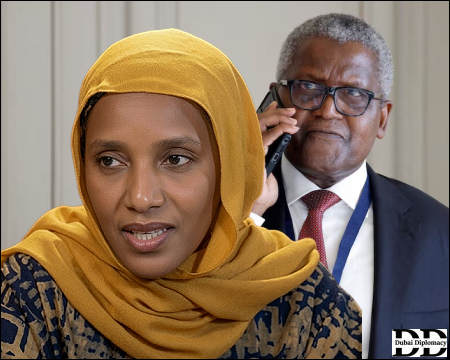
Anwar Gargash, adviser to the UAE president on foreign affairs, said talks are underway, but no formal plan has been approved.
He said major nations in Asia, the Middle East, and Europe share responsibility for keeping trade and energy moving.
“This is something that is in the interest of everybody,” Gargash said at a virtual event hosted by the Council on Foreign Relations. “Everybody has a responsibility.”
Several U.S. allies have turned down President Donald Trump’s request to send warships to escort tankers through the strait, citing a lack of consultation by the U.S. and Israel before attacks began on February 28.
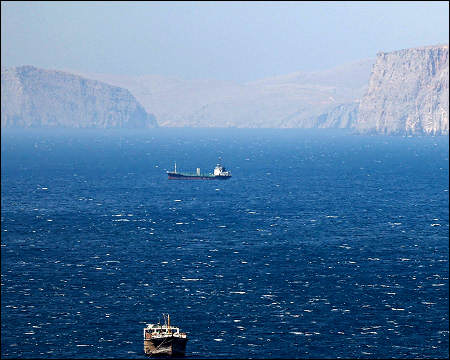
The Strait of Hormuz, a narrow passage between Iran and Oman at the Gulf’s entrance, is one of the world’s most critical energy routes.
About one-fifth of global oil and liquefied natural gas usually passes through daily, but Iran has effectively shut the waterway, sparking concerns of a worldwide energy shock.
The UAE, a major oil exporter and trade center, relies heavily on the strait. Iran has repeatedly targeted an Emirati port outside the Gulf used for oil shipments.
Gargash said limited Iranian attacks had been anticipated if nuclear negotiations with the U.S. failed, but not at the intensity seen now, which he called “full throttle.”
The United States and Israel struck Iran while nuclear talks were still ongoing. In retaliation, Tehran launched missiles and drones at Israel and U.S. military bases, along with strikes on airports, ports, and apartment buildings in the Gulf.
The UAE has experienced more Iranian attacks than any other country in the region, including Israel. Iran has accused the UAE of facilitating attacks on its territory, a claim Abu Dhabi denies.
The conflict has now lasted 18 days and caused over 2,000 deaths, mostly in Iran and Lebanon, but also in Israel, Iraq, and Gulf countries, including six in the UAE.
Though the UAE historically maintained trade relations with Iran, those ties have weakened since the war began. Gargash said Abu Dhabi is not engaged in active negotiations with Tehran.
He added that any postwar solution must prevent Iran from using nuclear, missile, or drone programs to threaten the region.
“The solution must guarantee for the region that we are not living under the menace of an Iranian nuclear program or under the menace of an Iranian missile and drone program,” he said.
Gargash did not blame Israel or the United States for initiating the strikes. He said Iran’s attacks on Gulf states may strengthen Israel’s ties with Arab countries and create openings for further relations.
The UAE and Bahrain formally recognized Israel in 2020. Other Gulf nations, including Qatar, maintain relations without full diplomatic ties.
Gargash also noted Iran’s attacks could increase U.S. influence in the region.
Tensions rose after U.S. and Israeli airstrikes against Iran on February 28, 2026. Iran retaliated with missile and drone attacks on airports, seaports, hotels, residential areas, and oil infrastructure in Dubai and Abu Dhabi.
Several of the UAE’s landmark buildings were damaged, including Fairmont The Palm in Palm Jumeirah and the Burj Al Arab hotel.
(With files from Reuters)
Copyright © 2026 Dubai Diplomacy. All rights reserved.
 Your support matters! Consider buying us a coffee — every bit helps keep independent news alive.
Related posts:
 UAE urges guaranteed access to Strait of Hormuz in US-Iran deal
 The Strait of Hormuz will be closed as soon as the U.S. navy leaves
 UAE urges US and Iran to reach nuclear deal before talks
 Gulf states say ending Iran war not enough, degrade its capabilities
 Iran says Strait of Hormuz is fully open during ceasefire
 Emirati official calls for closer Israel ties, criticizes Arab states
 Gulf states press Trump to continue war until Iran is fully weakened
 UAE secretly slips oil tankers through Strait of Hormuz: Reuters