UAE Crypto Rules Put Foreign Entrepreneurs at Risk, Legal Expert Warns
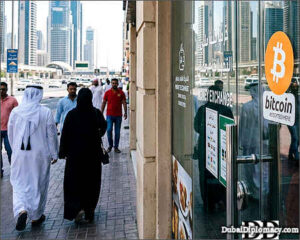
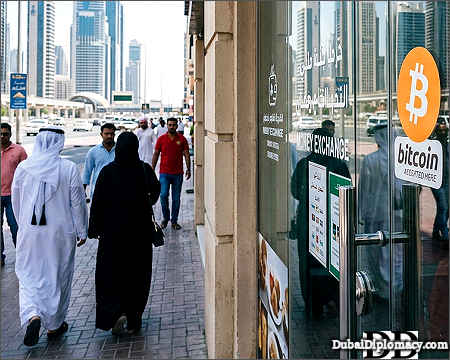
DUBAI — For years, Dubai has pitched itself as a magnet for cryptocurrency and technology founders worldwide. A newly released warning argues that image could crumble for some foreign business owners, who now face prison, steep financial penalties, and the collapse of ventures they built from nothing.
The warning comes from Radha Stirling, a legal advocate with over 20 years helping clients caught in serious legal battles abroad. She released her findings in a report issued on Monday.
Stirling founded three advocacy organizations: Detained in Dubai, Due Process International, and the Crypto Legal Advocacy Network. She has represented prominent figures in the tech and crypto world.
Stirling points to a combination of new UAE financial laws and an expanded 2026 Virtual Assets Framework.
The rules broaden the range of crypto activities requiring a government license from three categories to eight, now covering trading, holding customer assets, arranging transactions, giving investment advice, managing portfolios, and operating trading platforms.
As a result, companies that never saw themselves as crypto exchanges could suddenly need approval.
A firm that believes it offers technology or consulting work could be told by regulators that it is actually giving unlicensed investment advice or arranging deals.
Under Federal Decree-Law No. 33 of 2025, unlicensed financial activity carries prison time and fines reaching 250 million dirhams.
Courts also hold power to seize money and assets. The law extends past company owners to executives, advisers, consultants, and anyone connected to a violation.

Stirling’s central worry is how these rules could be applied. She notes Dubai’s long record of foreign business owners caught in commercial disputes that escalate into criminal cases, pointing to the years following the 2008 financial crisis, when numerous investors faced criminal charges tied to debt and were barred from leaving the country.
Her organization says it has assisted entrepreneurs who pitched business ideas to royal family members, government bodies, or wealthy local investors, only to see those ideas taken from them.
Others poured large sums into UAE ventures and later faced threats, attempts to seize their companies, or criminal complaints once disputes arose.
“One of the most effective ways to take someone’s business is to make them afraid to remain in the country,” Stirling said.
A founder who fears arrest may flee the UAE, abandoning the company and its assets behind. Recovering those assets from outside the country becomes nearly impossible, she said, and some founders end up wrongly listed on INTERPOL wanted notices.
Crypto and tech firms face particular exposure, Stirling argues, because their value moves easily.
Cryptocurrency transfers in minutes, while technology companies rely on source code, systems, and intellectual property rather than physical property such as buildings or land.
Stirling said several of her clients have been detained or pressured into surrendering control of digital assets.
She also raised concern that employees and advisers at regulated firms may not realize their own duties require a license.
She emphasized that strong crypto regulation remains necessary to combat fraud, money laundering, and financial crime.
Her concern lies in the UAE’s lack of safeguards against misuse of these laws.
Stirling called for transparency around asset seizures, independent oversight of enforcement actions, and stronger court remedies, along with protections preventing business disputes from being turned into weapons.
“Dubai cannot have it both ways,” Stirling said. “It cannot promote itself internationally as a safe haven for entrepreneurs while failing to address the risks of arbitrary detention, commercial coercion and asset appropriation.”
Her advice to founders remains direct: before bringing valuable technology or digital assets into the UAE, ask a single question. “If a powerful person decides they want my business, what protection do I actually have?”
So far, UAE officials have not addressed Stirling’s report publicly. The government has previously stated its financial regulations aim to safeguard investors and preserve clean, well-functioning markets.
(With files from detainedindubai.org)
Copyright © 2026 Dubai Diplomacy. All rights reserved.
 Your support matters! Consider buying us a coffee — every bit helps keep independent news alive.
Related posts:
 Travelers to Dubai risk arrest over social media posts and debt: advocates
 Dubai Business Can Destroy Years of Savings: Strategist
 Don’t Die in UAE Without a Will: New Law Sends Heirless Expat Assets to Charity
 Dubai ruler issues law on building quality and safety, UAE
 British man Ryan Pepper “tortured” in Dubai jail, family says
 Crypto avoids UAE disruption amid Iran conflict concern
 Some wealthy Asians move assets from Dubai amid Iran war fears
 Saudi Arabia toughens rules on bank transfers to UAE: Reuters