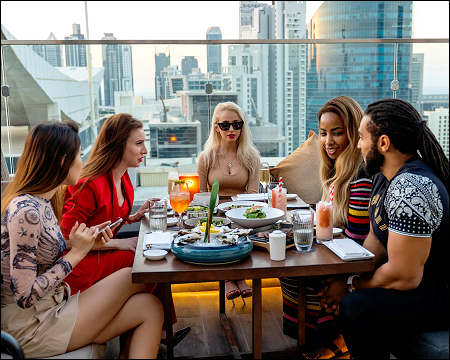
DUBAI,— As the holy month of Ramadan begins in 2026, many visitors are asking how daily life in Dubai changes and what they should expect while traveling in the city.
Questions often focus on dining, entertainment, dress codes, and public behavior. The Khaleej Times recently highlighted common questions and guidelines for residents and tourists during Ramadan.
Non-Muslims are not required to fast in Dubai. While Muslims abstain from food and drink from dawn until sunset, visitors and residents who are not observing the fast can eat and drink in public.
Many people choose to be considerate in public spaces around those fasting, but there are no legal restrictions for non-fasters, sources told.
Dress codes in Dubai remain relatively flexible, but modest clothing is encouraged, particularly during Ramadan. Loose-fitting garments that cover shoulders and knees are recommended in cultural or heritage areas.
When visiting mosques, men and women should cover their arms and legs, and women may need to wear a headscarf. Swimwear is allowed at hotel pools and beaches.
During Ramadan, visitors can also enjoy exploring traditional clothing in souks, including abayas, kaftans, and kandooras, which are often on display during iftar and suhoor gatherings.
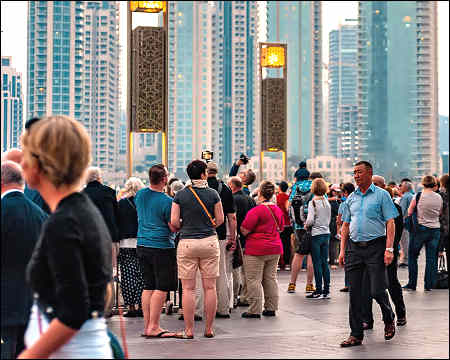
Restaurants and cafes operate normally throughout the day. While some dining outlets may adjust their hours, most are open to serve visitors and non-fasting residents.
Hotels, beaches, and gyms also remain accessible during daylight hours, allowing tourists to enjoy Dubai’s recreational facilities without interruption.
Dubai’s shopping malls and tourist attractions maintain regular hours during Ramadan. Many malls extend their operating hours in the evenings to accommodate festive activities and visitors breaking their fast.
Public spaces and cultural events also continue, with lively evenings featuring food, music, and traditional performances.
Entertainment in Dubai during Ramadan includes live music, cultural shows, and comedy performances, especially in the evenings.
Daytime activities are more subdued, reflecting the spiritual nature of the month. According to event organizers, Ramadan in Dubai brings both traditional and contemporary experiences, with special events featuring traditional dance, music, and food markets across the city.
Smoking in public is not prohibited for those who are not fasting, but many visitors are encouraged to be mindful around those observing the fast.
Muslims refraining from smoking, eating, or drinking during daylight hours helps maintain a respectful atmosphere during Ramadan.
Tourists are encouraged to visit Dubai during Ramadan. The city offers a unique cultural experience during this time, combining heritage traditions, shopping, cuisine, and entertainment.
Evening iftars and suhoor meals provide opportunities to taste local cuisine and participate in social gatherings, while daytime activities remain available for non-fasting visitors.
Dubai remains a tourist-friendly destination during Ramadan, offering both cultural insights and regular city services.
Visitors can plan their trips knowing that most amenities, entertainment venues, and public spaces continue to operate while providing a respectful environment for those observing the holy month.
(With files from Khaleej Times)
Copyright © 2026 Dubai Diplomacy. All rights reserved.
 Your support matters! Consider buying us a coffee — every bit helps keep independent news alive.
Related posts:
 UAE leaders order release of 4,700 prisoners for Ramadan
 UAE wows world as 2026 begins with fireworks and tight security
 Dubai records 19.59 million foreign visitors in 2025
 Binghatti, Mercedes-Benz launch first Mercedes-branded city in Dubai
 Some travelers paid $232,000 for flights to escape Gulf countries, amid Iran conflict
 Dubai public transport, taxis hit 802 million users in 2025: authority
 UAE capital Abu Dhabi named world’s safest city for a decade
 In the Saudi Arabia–UAE Rivalry, the Saudis Are Wrong