UAE, Gulf states arrest over 1,000 in expression crackdown, Amnesty says
DUBAI,— United Arab Emirates is leading a region-wide Gulf crackdown on wartime expression, Amnesty International said Monday, reporting more than 1,000 arrests across Gulf Cooperation Council states over online activity linked to the US-Israeli war with Iran and Iranian attacks on Gulf countries.
The Gulf Cooperation Council, including the United Arab Emirates, Kuwait, Bahrain, Qatar, Saudi Arabia and Oman, issued warnings urging the public not to share unverified material, rumors or content from unknown sources.
Soon after, authorities across multiple member states carried out large-scale arrests tied to online speech.
Heba Morayef, Amnesty International’s Regional Director for the Middle East and North Africa, said restrictions on expression must comply with international law, including legality, necessity and proportionality.
She said broad criminalization of information sharing and reliance on expansive security legislation have exceeded acceptable limits under human rights standards.
Amnesty said it interviewed 16 individuals and documented eight arrest cases while reviewing official statements, media reporting and documentation from human rights groups.
In the United Arab Emirates, authorities issued directives on March 3 banning circulation of unverified content. Between March 3 and April 8, at least 375 people were detained for posting or sharing visual material related to the conflict.
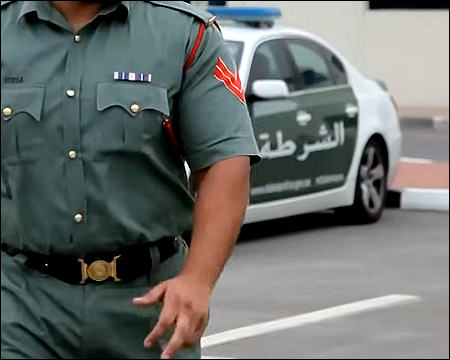
Abu Dhabi police said 109 arrests were made on March 20 for filming locations and distributing material said to inflame public opinion.
Meta said it restricted access to 18 accounts following government requests, despite finding no violations of its Community Standards. Federal Law No. 34 of 2021 is used alongside national security provisions to criminalize “misleading” information.
In Qatar, authorities reported 313 arrests between February 28 and March 9 after issuing warnings against rumors and unverified clips on February 28.
Qatar’s cybercrime law continues to criminalize broadly defined online expression considered harmful to public order or social values, giving authorities wide enforcement discretion.
In Saudi Arabia, officials issued a March 2 advisory instructing the public to rely on official sources. Amnesty documented at least three foreign nationals detained for war-related posts.
Meta reported that Saudi Arabia requested restrictions on 144 accounts linked to conflict reporting and political content. A Riyadh-based journalist said fear among residents has reduced willingness to speak openly about events.
In Kuwait, authorities arrested 33 people between March 1 and March 30. Courts later ruled on 204 defendants in cases involving alleged sympathy with Iran and dissemination of false information, issuing prison terms ranging from three to 10 years.
Kuwait also enacted Law No. 47 of 2026 on Combating Terrorism and Law No. 13 of 2026 targeting false military rumors, expanding state authority over expression.
Journalist Ahmed Shihab-Eldin was detained and later acquitted on some charges after 52 days in custody. Kuwait also revoked nationality from more than 1,200 people.
In Bahrain, authorities announced 47 arrests, while rights groups documented more than 303 cases involving protests and online activity. Courts sentenced 34 people and revoked nationality from 69 individuals.
Bahrain’s parliament approved amendments limiting judicial review of citizenship revocations. A case documented by Amnesty involved a man named Ali, who was questioned over a reposted video, later lost citizenship and was removed from Bahrain with a family member, receiving passports marked “R.”
Oman issued warnings but reported no arrests after its March 3 advisory on unverified information.
Amnesty said limited official information has created confusion and hindered documentation of Iranian strike impacts.
Saudi Arabia, Bahrain and Kuwait have used cybercrime and security laws to prosecute online expression during the conflict period. International law prohibits arbitrary deprivation of nationality and requires due process and proportionality in restrictions on expression.
Amnesty reiterated that restrictions must remain strictly necessary and proportionate, and that overbroad criminalization of online speech risks undermining fundamental freedoms of expression and access to information across Gulf states during ongoing regional security tensions period overall context.
The full report from Amnesty International.
Copyright © 2026 Dubai Diplomacy. All rights reserved.
 Your support matters! Consider buying us a coffee — every bit helps keep independent news alive.
Related posts:
 UAE, Qatar arrest hundreds over Iran attack footage: NY Times
 Is a Gulf NATO Really Possible?
 Gulf states press Trump to continue war until Iran is fully weakened
 UAE arrests 25 foreigners for posting videos of Iran strikes: attorney-general
 Don’t Die in UAE Without a Will: New Law Sends Heirless Expat Assets to Charity
 UAE issues new federal law on child digital safety
 Dubai ruler issues law on building quality and safety, UAE
 Airlines suspend more flights to UAE, ME amid rising conflict