Travelers Pay Hundreds of Thousands to Escape Gulf Amid Iran Conflict
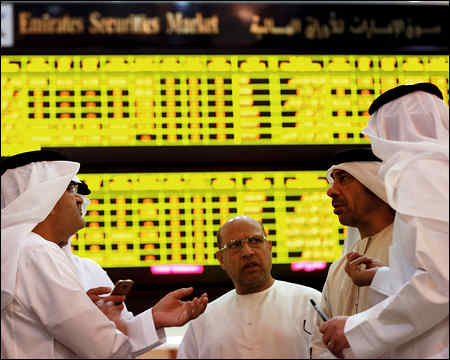
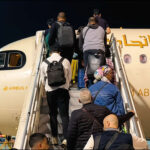
DUBAI,— Tens of thousands of travelers are stuck after the outbreak of war in Iran has disrupted air travel across the Gulf region. Some wealthy passengers, however, are managing to leave by paying large sums for private flights to Europe through airports considered safe from Iranian missile and drone attacks.
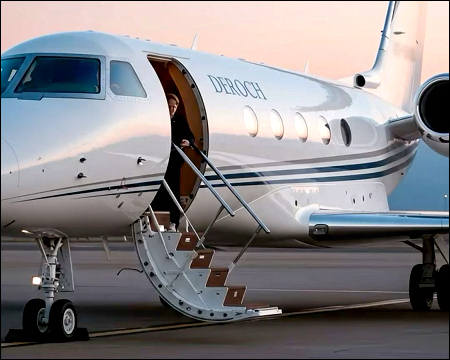
Charter flight demand has surged, with some travelers paying as much as 200,000 euros ($232,000) for private trips.
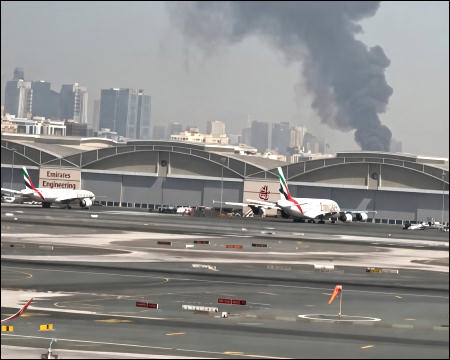
Major airports in Dubai, Abu Dhabi, and Doha, Qatar, have remained closed since the start of the conflict last weekend, leaving passengers searching for alternatives.
Travelers normally flying out of Dubai, known for its safe and upscale services, are instead traveling overland to Muscat, Oman, about four hours away by car, or to Riyadh, Saudi Arabia, a journey exceeding 10 hours.
From these locations, passengers can catch commercial flights or book private charters, which have seen a dramatic price spike since the war began.
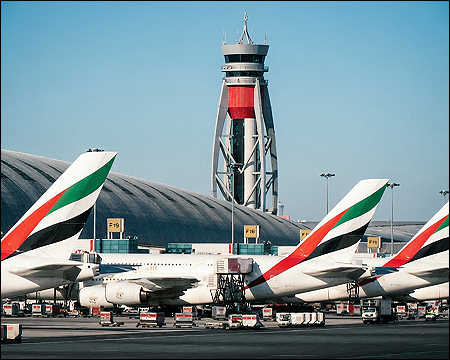
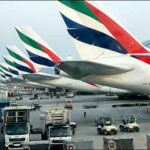
Dubai International Airport, the world’s busiest, typically handles over 1,000 flights daily. It remained shut for a fourth consecutive day on Tuesday, severely reducing capacity on key routes, including flights from Australia to Europe.
Airlines such as Emirates and Qatar Airways, which dominate these routes, have been forced to adjust or suspend services.
“The demand is huge, and we can’t provide enough aircraft to meet it,” said Altay Kula, CEO of France-based private jet broker JET-VIP.
He explained that a charter flight on a private jet for up to 16 passengers from Riyadh to Porto, Portugal, which normally costs around 100,000 euros ($115,800), has doubled since the war began.
“This price increase reflects the scarcity of aircraft, repositioning costs, and operator risk assessments. It is not speculative pricing,” Kula added.
Prices vary depending on departure points, aircraft type, and route restrictions, said Ameerh Naran, CEO of Vimana Private Jets.
For flights from Gulf airports to Europe, costs now range between 150,000 euros ($173,800) and 200,000 euros.
To reach functional airports like Riyadh or Muscat, some travelers hire private security firms to organize overland transportation. Vehicles range from standard passenger cars to full coach buses.
Heavy traffic has created long delays at border crossings into Oman, with waits up to four hours. Costs for these overland transfers can reach thousands of dollars, said Ian McCaul, operations and planning director at Alma Risk, a UK-based security and risk management company.
McCaul added that those attempting to leave are mostly stranded travelers rather than local residents.
McCaul estimated that his company has helped transfer more than 200 people and advised several others in recent days.
Vimana’s clientele includes business executives, families, entrepreneurs, and remote workers based in the region, Naran said.
Elie Hanna, CEO of Air Charter Service Middle East, headquartered in Dubai, noted that most departures from the region are now leaving from Oman.
Limited availability of aircraft has pushed charter prices higher. Clients include both those who regularly use private flights and those who usually fly commercial but are pooling resources with family or other travelers to share costs.
“Everyone is stressed,” Hanna said. “Muscat Airport is overloaded with flights, and the pressure is immense.”
Experts from the International SOS security and health services company expect that disruptions to transportation and energy infrastructure will continue for weeks.
Airline Ticket Prices Surge on Asia-Europe Routes
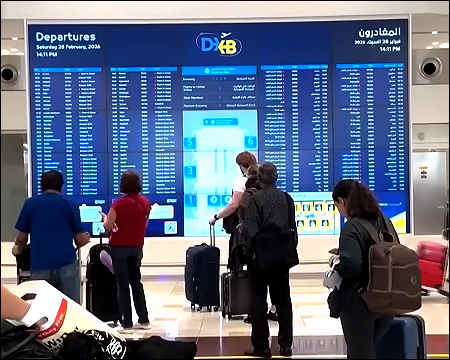
Australia’s Flight Centre Travel Group has reported a 75% jump in calls to stores and emergency assistance lines since the crisis began, Global Managing Director Andrew Stark said. Teams are working around the clock to help customers.
Many Australians are rebooking flights through alternative hubs in China, Singapore, and the United States. Charlotte Kennard and her father, Richard, were among those affected. They were scheduled to fly from Birmingham to Sydney via Dubai on Emirates but were caught in flight cancellations.
Although the airline promised updates 24 hours before departure, the Kennards arrived at the airport to find their flight canceled.
They later secured seats on Singapore Airlines departing London, paying 1,900 pounds (A$3,620) each for one-way tickets. Ticket costs had jumped from A$2,500 the previous night, exceeding their original return fare of A$2,300.
“Living in Australia, we’re usually far from conflict,” Charlotte Kennard said. “Being closer to it created fear and stress. Ultimately, we just want to get home to our family and dog.”
Airlines offering non-stop Asia-Europe flights are bypassing closed Middle Eastern airspace by flying north via the Caucasus and Afghanistan or south via Egypt, Saudi Arabia, and Oman. Longer routes increase flight times and fuel costs, driving ticket prices higher.
“Right now the entire Middle East is out of bounds, which comes at a high cost for airlines,” said Subhas Menon, head of the Association of Asia Pacific Airlines. “Europe can only be served at higher costs, which affects airline profitability. The price to pay is connectivity.”
Alton Aviation Consultancy noted that airlines operating non-stop services or through hubs outside the conflict zone, including Hong Kong-based Cathay Pacific Airways, Singapore Airlines, and Turkish Airlines, may see short-term gains as passengers avoid Gulf-based carriers.
Reuters checked airline websites on Tuesday and found few near-term bookings and high prices for Asia-London flights.
Cathay Pacific listed no economy seats from Hong Kong to London until March 11, with a one-way fare of at least HK$21,158 ($2,705), dropping to HK$5,054 later in the month.
For Sydney-London routes, Qantas Airways offered economy tickets only from March 17 at A$3,129 ($2,220) one-way, with earlier options requiring longer routes via cities like Los Angeles or Johannesburg.
Thai Airways saw fully booked Europe-bound flights as tourists preferred direct alternatives to Middle Eastern stopovers, according to Thailand’s Transport Minister Phiphat Ratchakitprakarn.
One-way economy tickets from Bangkok to London were 71,190 baht ($2,265) on March 15, dropping to 27,045 baht by March 18.
Taiwan’s EVA Airways reported a surge in bookings for Europe-bound flights as passengers sought alternate routes. Chinese airlines also experienced high demand, with near-term economy seats largely unavailable.
(With files from AP | Reuters)
Copyright © 2026 Dubai Diplomacy. All rights reserved.
 Your support matters! Consider buying us a coffee — every bit helps keep independent news alive.
Related posts:
 Airlines suspend more flights to UAE, ME amid rising conflict
 Emirates, Etihad resume limited flights to major global cities
 UAE airports closed, thousands stranded across Middle East
 Chaos in skies as Dubai Emirates flight turn back mid-air
 Dubai restricts foreign flights until May 31, 2026, Indian carriers hit hard
 Thousands struggle to leave Gulf countries amid Iran conflict
 Etihad Airways reports 22.4 million passengers in 2025
 Dubai International Airport reports record 95.2 million passengers in 2025