DUBAI,— Luxury stores in one of Dubai’s top shopping malls sit mostly empty as the Gulf region faces heightened tensions a month after the U.S. and Israel launched airstrikes against Iran on February 28, 2026.
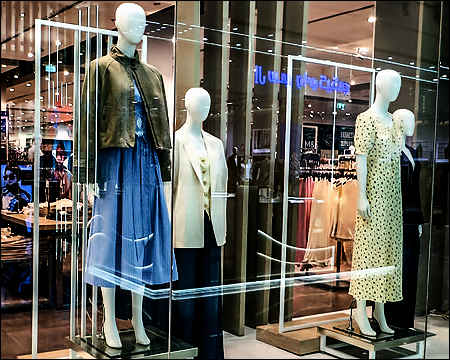
Sales staff in sharp suits spend much of their day idle, checking phones and waiting for the occasional customer. Staff were instructed not to speak with reporters, but one said business has slowed significantly.
“Of course, there are fewer customers, especially tourists,” the employee told AFP. “Locals still come. Luckily, we have a strong local clientele and no one is panicking.”
The city, once a symbol of stability and luxury, has been hit by retaliatory drones and missile strikes from Tehran. Tourism has slowed sharply, and some shoppers are avoiding Dubai entirely.
A visitor leaving a Chanel store put it bluntly: “People shouldn’t come right now. It’s dangerous. It’s war. For me, it’s different. I’m from here. If I die, I die with my family.” She wore a black abaya and niqab and carried an orange Hermes bag.
The Middle East remains one of the few regions where luxury sales are still rising, contributing six to eight percent of global revenue for top brands, according to Bernstein analysts.
They estimate that sales could drop by 50 percent in March, mostly due to reduced tourism and limited operations at major air hubs, including Dubai, Doha, and Abu Dhabi.
Over half the region’s luxury stores are in Saudi Arabia and the UAE. The most profitable are concentrated in Dubai Mall, located beneath the Burj Khalifa.
The mall draws more than 110 million visitors annually and is known for its waterfalls, giant aquarium, and luxury stores.
On a late March evening, the mall’s halls were mostly empty. Budget stores like Primark saw more visitors than the luxury “Fashion Avenue” section.
Emaar, the developer of Dubai Mall, advised retailers not to close or reduce hours to prevent “unnecessary alarm” and maintain the UAE’s reputation, according to a note seen by AFP.
Analysts say foot traffic has collapsed, prompting some brands to shift to online sales.
The region’s wealthy shoppers, with time and money to spend, are expected to support online sales, similar to patterns seen during the COVID-19 pandemic. Analysts hope that once the conflict eases, “revenge spending” could boost luxury sales.
“The key is the return of tourists,” an industry source said. He added that a prolonged conflict with intermittent attacks across the Gulf could harm Dubai’s long-term appeal.
At the Mall of the Emirates, the indoor ski slope, a popular attraction, was nearly empty. Employees in heavy parkas waited for tourists as the ski lift ran mostly vacant.
Tensions in the region rose after U.S. and Israeli airstrikes on Iran. Iran has responded with daily missile and drone attacks targeting airports, seaports, hotels, residential areas, and oil facilities in Dubai and Abu Dhabi, according to reports. UAE and other Gulf countries have intercepted many of these attacks.
(With files from AFP, Agencies)
Copyright © 2026 Dubai Diplomacy. All rights reserved.
 Your support matters! Consider buying us a coffee — every bit helps keep independent news alive.
Related posts:
 Luxury brands shut UAE, Middle East stores amid Middle East conflict
 Dubai’s empty markets, restaurants reflect Iran war’s tourism toll
 Is a Gulf NATO Really Possible?
 Luxury carmakers’ profits in UAE, Gulf threatened by Iran war
 Gulf states press Trump to continue war until Iran is fully weakened
 Firms exit Dubai financial hub over rising Iran threats
 Emirati official calls for closer Israel ties, criticizes Arab states
 Gulf states say ending Iran war not enough, degrade its capabilities