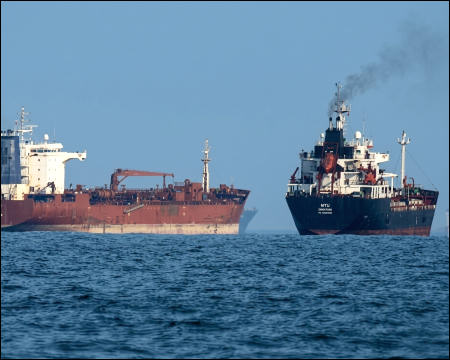
DUBAI,— A full restoration of oil shipments through the Strait of Hormuz is unlikely before early 2027 at the soonest, the top executive at the United Arab Emirates’ state energy company said Wednesday, painting a grim picture of the crisis gripping global energy markets, Reuters reported.
Sultan Al Jaber, chief executive of Abu Dhabi National Oil Company, made the remarks at an Atlantic Council event, offering one of the starkest timelines yet from a senior industry official since the conflict with Iran disrupted traffic through the critical chokepoint.
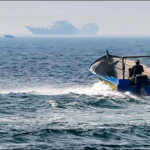
The International Energy Agency has described the disruption as the worst energy crisis on record, with Iran exercising de facto control over a passage that carries close to a fifth of global oil supplies.
Higher energy prices tied to the crisis have fed inflation and raised concern about a potential economic downturn worldwide.
Al Jaber said that even if the conflict stopped immediately, restoring 80% of pre-war oil flows would take a minimum of four months. Full capacity, he added, would not return “before the first or even second quarter of 2027.”
His remarks echoed a warning from Aramco CEO Amin Nasser of Saudi Arabia, who said the oil market may not stabilize until 2027 if the blockade continues through mid-June.
Iran began blocking and vetting vessels in the strait following a U.S.-Israeli military strike against it on February 28, 2026.
Tehran has since widened its area of enforcement to cover the UAE’s Gulf of Oman coastline, an alternate shipping lane the UAE has relied on.
A pipeline delivering crude to the port of Fujairah along that coast has kept a portion of Emirati oil moving to buyers abroad.
Al Jaber called the situation a threat to the global order. “Once you accept that a single country can hold the world’s most important waterway hostage, freedom of navigation as we know it is just finished,” he said.
He said that without a firm response, the next decade would be spent managing the fallout. Citing fuel prices up 30%, fertilizer costs up 50% and air travel fares 25% higher, he urged greater investment in energy supply resilience.
He said the crisis had spread its damage broadly across the global economy, hitting food production, industry and consumers alike, while pushing the greatest hardship onto those with the fewest resources to absorb it.
More than 80 nations had launched emergency economic measures within 80 days of the conflict starting, he added.
(With files from Reuters)
Copyright © 2026 Dubai Diplomacy. All rights reserved.
 Your support matters! Consider buying us a coffee — every bit helps keep independent news alive.
Related posts:
 UAE completes 50% of Hormuz bypass oil pipeline ahead of 2027 launch: ADNOC
 Strait of Hormuz closed, must reopen, UAE’s ADNOC CEO says
 UAE’s ADNOC CEO calls Iran curbs on Hormuz “economic terrorism”
 Strait of Hormuz isn’t Iran’s to control, ADNOC CEO says
 Gulf states press Trump to continue war until Iran is fully weakened
 Gulf faces severe economic crisis as war hits energy flows
 UAE speeds up oil pipeline project to bypass Hormuz
 The Strait of Hormuz will be closed as soon as the U.S. navy leaves