DUBAI,— Iran’s Islamic Revolutionary Guard Corps has established covert cells in Iraq that Iraqi sources say are being used to carry out attacks against Gulf Arab states hosting United States forces, according to Iraqi sources speaking to Reuters and familiar with the matter.
The structure is believed to consist of three or possibly four separate cells, each made up of about ten elite Iraqi Shiite fighters with specialized training and operational experience in drone warfare.
These units are reported to have carried out at least seven drone strikes between April 20 and May 17, operating from remote desert areas near the southern Iraqi cities of Basra and Samawa in Iraq.
The targeted sites included locations in Kuwait, Saudi Arabia and the United Arab Emirates, according to three sources familiar with the incidents and operational details.
Some individuals involved came from Islamic Resistance in Iraq, an umbrella organization of Shiite factions with thousands of fighters across Iraq.
The cells operate outside that structure and report directly to the IRGC leadership in Iran, according to Iraqi military and security officials and militia commanders who spoke to Reuters.
Five militia commanders said the units were not previously reported and mark a shift in IRGC tactics as proxy networks weaken and Iran faces increasing economic and military pressure across the region and within its domestic constraints, including sanctions and resource limitations.
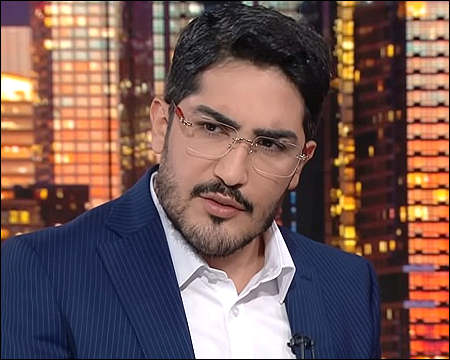
Sheikh Jaber Rajabi, former adviser to ex-Iranian President Mahmoud Ahmadinejad and a member of the Quds Force, said in a June 2026 UAE-owned Sky News Arabia interview that operations were being prepared from Iraq targeting countries including the UAE, Kuwait and Bahrain and potentially other Gulf states across the broader region.
Iraq hosts Shiite militias tied to Tehran forming part of Iran’s Axis of Resistance across Gaza, Lebanon, Yemen and Iraq.
Islamic Resistance in Iraq groups have claimed dozens of attacks on US assets since the US and Israel attacked Iran on February 28. There has been no mass mobilization of proxies in Iraq despite these tensions and ongoing regional escalation and heightened security alerts.
Several Shiite factions have signaled willingness since last year to disarm and focus on politics to avoid escalation with US President Donald Trump and international pressure. Analysts say this may have pushed the IRGC toward smaller units under direct control.
Asaib Ahl al Haq and the Imam Ali Brigades said this month they would surrender weapons to Iraqi authorities after US pressure on Baghdad to disband armed groups operating outside state control and to reduce cross border escalation risks.
Jasim al Bahadli, a retired Iraqi general, said the groups are smaller, more hardened and more tightly controlled, reflecting Iran’s need to conserve resources under economic strain while maintaining regional reach and influence.
The US and Iran signed an interim agreement Wednesday to end the war, with further talks planned on Iran’s nuclear program and other disputed issues affecting regional stability.
Iranian officials say support for resistance groups is not part of the deal and remains outside negotiations.
The US State Department said Iraq must dismantle Iran aligned militias and IRGC linked networks operating inside its territory without delay or exception and improve internal security enforcement.
Prime Minister Ali al Zaidi met US envoy Tom Barrack Monday on detailed plans for the disarmament of armed groups outside state control and to prevent further cross border escalation incidents.
Kuwait, Saudi Arabia and UAE did not respond to requests for comment from reporters and official inquiries.
The conflict has disrupted energy flows including the Strait of Hormuz and triggered drone and missile exchanges across the wider region involving multiple states, maritime routes and energy infrastructure.
Iraqi sources said new groups carried out three attacks on Kuwait, two on Saudi Arabia and two on the UAE.
Targets included Ali Al Salem Air Base and Kuwait International Airport facilities. Some strikes were intercepted before impact by air defenses.
Reuters could not independently verify the claims made by the sources or the operational details provided.
Officials said the IRGC uses the cells for plausible deniability and to reduce pressure on Baghdad and local authorities. Iraqi forces are investigating possible command links and operational chains in ongoing security reviews.
Iran’s regional network has weakened after conflicts involving Hamas in Gaza, Hezbollah in Lebanon and Houthi forces in Yemen over recent years. Assad was ousted in December 2024, disrupting supply routes and logistics channels across Syria.
Bahadli said Iran now relies on smaller cadres prioritizing loyalty, secrecy and deniability over recruitment and expansion of large formations.
The groups challenge Zaidi as Iraq balances US and Iran ties and risk strain with Gulf states and broader regional diplomacy.
Kuwait, Saudi Arabia and UAE summoned Iraqi envoys in April. Iraq is probing whether a May 17 drone attack that caused a fire at the Barakah nuclear plant is linked to the same network.
Saudi Arabia said it intercepted drones that day in its airspace.
Zaidi condemned the attacks and pledged joint investigations with Gulf partners. His spokesman declined further comment on the status of the inquiry and ongoing investigation efforts by Iraqi authorities.
Officials in Baghdad said investigations remain ongoing as authorities seek to determine whether additional cells may be operating beyond those already identified.
Security services continue to monitor cross-border activity and communications linked to suspected groups involved in recent attacks across the region, with related security assessments by Iraqi agencies still underway.
(With files from Reuters)
Copyright © 2026 Dubai Diplomacy. All rights reserved.
 Your support matters! Consider buying us a coffee — every bit helps keep independent news alive.
Related posts:
 Saudi-UAE rift widens as Emirates quits oil cartel
 Gulf states press Trump to continue war until Iran is fully weakened
 Is a Gulf NATO Really Possible?
 Iran, Iraq plotting large-scale attacks on UAE, and Gulf states, Rajabi says
 Saudi Arabia issues security warning as UAE told to exit Yemen
 UAE summons Iraq’s chargé d’affaires over attacks from Iraq
 Gulf states say ending Iran war not enough, degrade its capabilities
 UAE leads Gulf states crackdown on online wartime expression: Amnesty